


How to Maintain Commercial Metal Fences and Gates in Denver
Table of Contents
Why Commercial Metal Fences Require Dedicated Maintenance Planning
Commercial metal fences and gates protect your property, define boundaries, and contribute significantly to your facility's appearance. Unlike residential fences that may see lighter use, commercial installations face constant exposure to foot traffic, vehicle impact, weather cycles, and environmental stressors unique to the Denver area. Without a structured maintenance approach, these assets deteriorate quickly, leading to safety hazards, security vulnerabilities, and expensive emergency repairs.
We've noticed that many property managers treat fence maintenance as an afterthought, addressing problems only when gates jam or sections collapse. This reactive approach costs far more than preventive care. Metal fences in Denver must withstand temperature swings from below freezing to over 80 degrees Fahrenheit, intense UV exposure at altitude, and occasional hail and wind events. The combination accelerates wear on welds, coatings, and fasteners.
Developing a maintenance plan now protects your investment, maintains security, ensures employee and visitor safety, and preserves property value. Start by documenting your fence type, installation date, and any previous repairs. This baseline helps you track performance patterns and plan budget allocations across multiple seasons.
Actionable step: Schedule a professional assessment of your fence before the next major weather season. Identify visible damage and establish baseline conditions that you can monitor monthly.
Common Damage Patterns We See on Denver Commercial Properties
Our experience working on commercial properties across Denver reveals consistent failure patterns that respond well to early intervention.
Rust and corrosion appear first at weld joints and fastener points where protective coatings thin or fail. Metal fences expand and contract daily due to temperature fluctuations, creating micro-cracks in paint or powder coating. Water seeps into these cracks and initiates oxidation from the inside out. By the time rust becomes visible on the surface, corrosion has progressed internally.
Loose posts and leaning sections develop when ground erosion undermines footings or when repeated impacts gradually shift structural supports. Commercial gates experience thousands of open-close cycles annually; each movement introduces tiny amounts of movement at connection points. Over months and years, this accumulates into noticeable misalignment.
Damaged hinges and locking mechanisms rank among the most common repairs we perform. Hinges corrode and stiffen, making gates stick or fail to close completely. Locks develop internal corrosion that prevents proper engagement. Bent gate frames from impact or settling compromise alignment and function.
Separation at welds occurs when materials experience repeated stress cycles without proper support or when original installation didn't account for thermal expansion. Poor weld quality or inadequate reinforcement becomes apparent years after installation when stresses exceed design tolerance.
Catching these issues early prevents cascading failures. A corroded hinge costs $200 to replace; replacing an entire gate frame that has separated at multiple welds costs thousands.
Your next move: Walk your perimeter fence line monthly, looking specifically for discoloration, gaps between components, stiff gate movement, or visible rust streaks. Document findings with photos and dates.
Seasonal Inspection Checklist for Metal Gates and Fences
Seasonal changes in Denver create distinct maintenance windows. Spring and fall inspections catch damage from winter freeze-thaw cycles and summer storms.
Spring inspection (March-April):
Check all welds for hairline cracks or separation points
Examine ground-level fence sections for frost heave or soil erosion
Test gate movement for binding or grinding sounds
Inspect fasteners (bolts, screws, rivets) for looseness or corrosion
Apply fresh protective coating to exposed metal where finish has worn
Clear accumulated snow, ice, and debris that trap moisture
Summer inspection (June-July):
Look for increased rust development accelerated by moisture and heat
Check that UV exposure hasn't caused coating degradation or fading
Inspect hinges, latches, and locks for smooth operation
Verify that thermal expansion hasn't created new gaps or misalignment
Test structural stability by gently pushing against fence sections
Fall inspection (September-October):
Document any damage before winter stress begins
Clean gutters, drainage channels, and areas where water pools
Lubricate moving parts with corrosion-resistant grease
Verify that posts are vertical and footings are secure
Touch up paint or coating on damaged areas before freeze-thaw cycling begins
Winter monitoring (December-February):
Clear heavy snow loads that can stress framework
Document how ice formation affects gates or moving components
Note any new rust blooms that emerge from moisture exposure
Plan spring repairs based on winter observations
This systematic approach distributes maintenance work across the year rather than overwhelming your team with crisis repairs.
Next step: Set quarterly reminders on your calendar to conduct these inspections. Assign responsibility to a specific team member and maintain a simple log documenting what you find.
Rust Prevention and Protection Strategies That Work
Rust is the primary enemy of commercial metal fences in Denver's climate. Prevention focuses on keeping moisture away from bare metal and maintaining protective coatings.
Coating selection matters significantly. Powder coating provides superior durability compared to standard paint, offering excellent adhesion and UV resistance. Hot-dip galvanizing protects steel by creating a zinc barrier that sacrifices itself to corrosion, protecting underlying metal even if the coating is scratched. We recommend powder-coated or galvanized finishes for new installations or major repairs in commercial settings.
Drainage is essential. Design or modify your fence so water flows away from metal components. Ensure fence posts sit on proper footings with slope to move water laterally. Clean debris from fence joints, rail connections, and around posts regularly. Standing water or trapped moisture accelerates corrosion dramatically.
Fastener selection prevents failure points. Use stainless steel or galvanized fasteners rather than standard steel bolts. The additional cost is minimal but dramatically extends service life. A single corroded bolt can cause a section to fail structurally.
Application of corrosion inhibitors and lubricants protects moving parts. Products designed for metal gates create temporary barriers against moisture while allowing smooth operation. Reapply annually or after heavy rain.
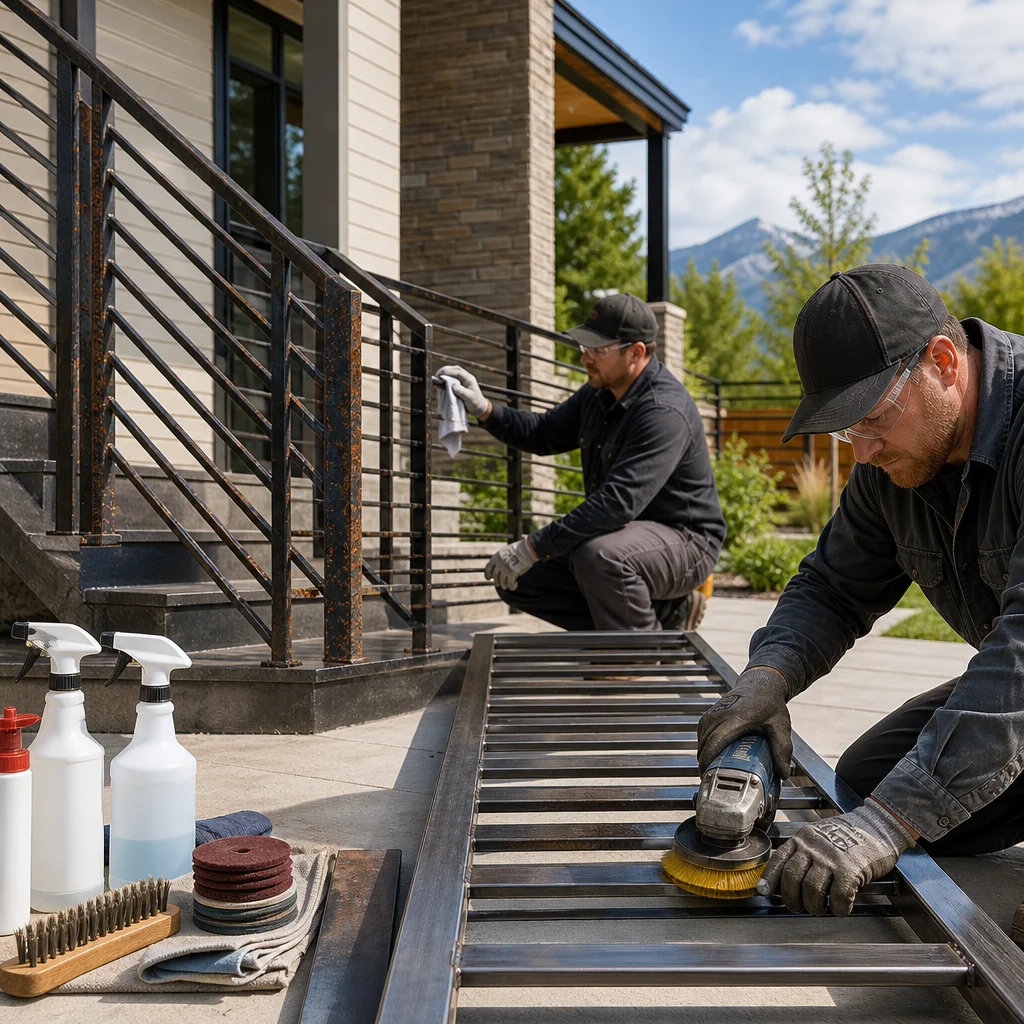
Regular inspection of welds catches corrosion before it compromises structural integrity. Welds are typically the first place rust appears on properly finished fences because the high-heat welding process alters the metal's protective properties. Minor surface rust on a weld can be wire-brushed and recoated; deep corrosion into the weld itself may require professional repair.
Take action: If your fence shows surface rust, wire-brush affected areas and apply touch-up coating immediately. This prevents corrosion from spreading into the base metal.
Structural Integrity Assessment and Repair Priorities
Understanding how to evaluate structural condition helps you prioritize repairs and allocate budget effectively.
Visual assessment reveals obvious damage: Look for bent frames, separated welds, large gaps between components, and severely corroded sections. These issues require immediate attention as they compromise security and safety.
Functional testing identifies less obvious problems: Open and close gates slowly, listening for grinding, binding, or unusual sounds. These indicate internal corrosion or mechanical misalignment that may not be visible. Push gently on fence sections to feel for excessive movement that suggests loose connections or compromised footings.
Systematic evaluation of each failure point helps you distinguish between cosmetic issues and structural threats. A small rust spot is cosmetic and can wait. Rust that has eaten through metal thickness or corrosion that prevents a gate from closing fully requires immediate repair.
Repair priorities should follow this framework:
Critical: Safety hazards, security failures, structural instability 2. High: Accelerating damage that will worsen rapidly without intervention 3. Medium: Corrosion or wear that is progressing but not immediately dangerous 4. Low: Cosmetic issues that don't affect function or durability
A separated weld on a load-bearing post is critical. Surface rust on a decorative picket is low priority. Corroded hinges that prevent a gate from closing are high priority because the open gate creates both a security breach and a hazard.
Recommended action: Create a simple spreadsheet documenting each fence section, its condition, and its priority level. Use this to guide maintenance spending across the year.
Professional Installation Impact on Long-Term Maintenance
The quality of your original fence installation dramatically affects maintenance requirements for years to come. We've replaced fences installed improperly that failed years ahead of their expected lifespan, and we've maintained installations from a decade ago that required minimal intervention.
Proper installation includes several critical factors. Footings must be deep enough to prevent frost heave and positioned below the freeze line (typically 36-42 inches in Denver). Posts should be set in concrete that slopes away from the post to shed water. Materials must be selected for Denver's climate, with galvanized or powder-coated finishes as standard. Welds require proper technique, appropriate rod selection, and full-depth penetration to ensure long-term strength.
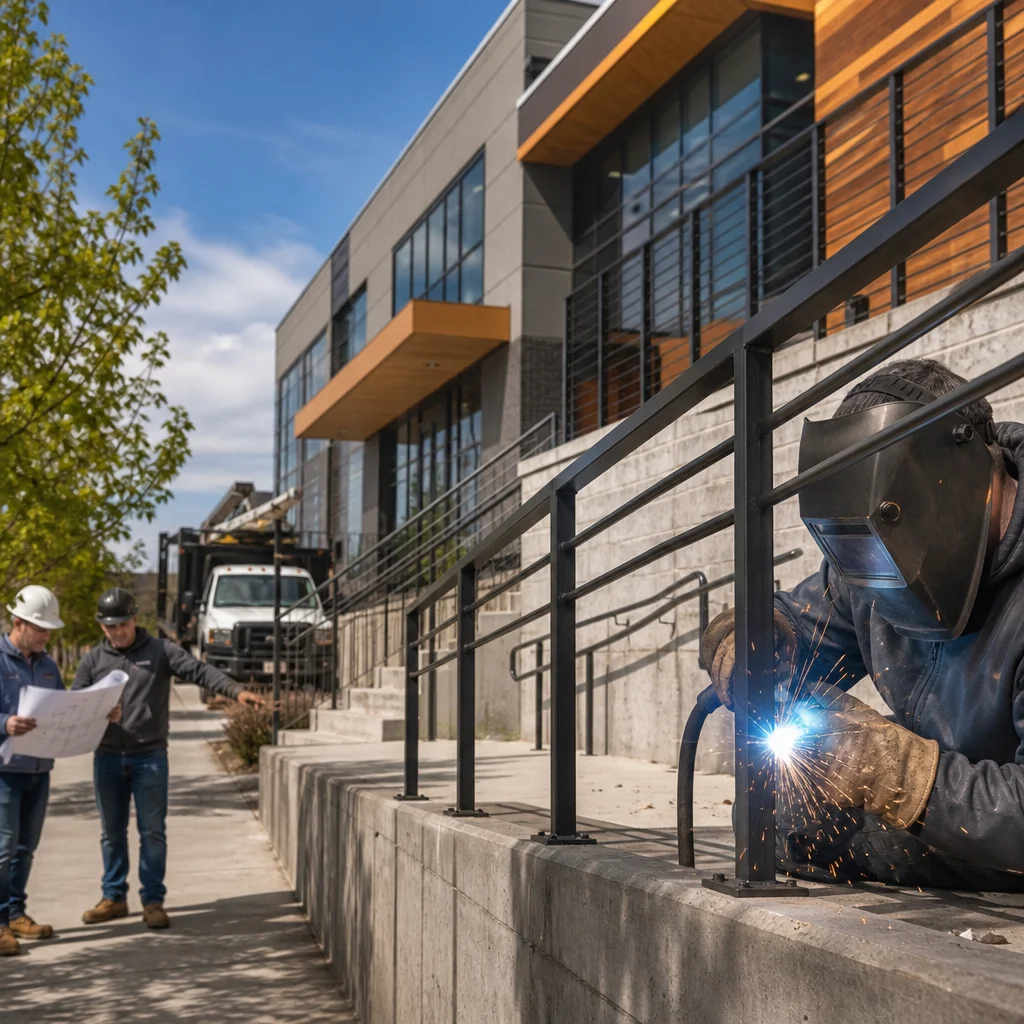
When we perform welding work on commercial properties, we focus on precise joint preparation, correct amperage settings, and multiple inspection passes. A weld that looks good initially but wasn't executed properly will fail prematurely under thermal cycling and stress. Poor installation creates weak points that generate maintenance problems for years.
The connection between installation quality and maintenance burden matters most when budgeting. A properly installed fence costs 10-15% more initially but reduces maintenance by 40-50% over its lifetime. A bargain installation saves money upfront but costs significantly more in repairs and premature replacement.
If you're evaluating an existing fence, assess the quality of original work. Straight, consistent welds, proper post alignment, quality materials, and professional finishing indicate an installation that will remain stable and maintainable. Crooked welds, visible material shortcuts, or poor fastener selection suggest future problems.
Next step: If you're planning a new fence or major repairs, prioritize finding an installer with verifiable commercial experience and references. The upfront investment protects your property for decades.
How We Handle Metal Fence Repairs and Reinforcement
When we approach fence repairs, we treat each project with the same precision and planning we apply to new construction work. This approach ensures repairs integrate seamlessly with existing structures and last as long as the original installation.
Our repair process begins with thorough documentation. We photograph damage, measure affected areas, and assess whether the problem is localized or systemic. A single corroded section might need targeted replacement; widespread corrosion suggests that protective coatings have failed across the entire fence and requires more comprehensive intervention.
For weld repair work, we evaluate the original weld quality and material condition. We prepare joints properly by removing corrosion and old material to bare metal. We select rod type that matches or exceeds the original specification. We then execute repairs with multiple passes and full inspection to ensure strength. Finally, we apply protective coating that matches the existing finish.
For corroded sections, we sometimes cut out and replace affected components rather than attempt to restore them. This is especially true when corrosion has compromised more than 20% of material thickness. A fence section that's weakened by corrosion is a safety liability; replacement provides durability certainty.
For loose or misaligned sections, we identify the root cause before applying fixes. Is soil erosion undermining the post? Are fasteners simply loose? Is the frame bent? Each situation requires a different solution. Simply tightening fasteners without addressing soil issues will result in the same looseness recurring within weeks.
For gate and hinge problems, we often rebuild locking and hinge assemblies rather than repair them. This prevents the frustration of recurrent failures and ensures gates function smoothly for years. Our welding services extend to custom reinforcement of gates that experience higher-than-normal stress.
We provide detailed estimates that explain what we're repairing, why, and how long repairs should be durable. This transparency helps you make informed decisions about repair versus replacement.
Action to take: Get multiple estimates for significant repairs, and ask contractors to explain the root cause and why their proposed solution will resolve it. Lowest cost isn't always best value.
Extending Your Fence Lifespan Through Preventive Care
The most cost-effective maintenance is prevention. A structured preventive program extends fence lifespan by years and dramatically reduces emergency repairs.
Monthly visual inspections catch small problems before they compound. Spend 15 minutes walking your perimeter looking for new rust, loose components, or water drainage issues. Early detection means smaller, cheaper interventions.
Annual professional evaluations provide expert assessment of structural condition, corrosion progression, and needed repairs. A trained eye spots problems that aren't obvious to untrained inspectors. We often find issues during inspections that, if left unaddressed for another season, would require expensive structural repairs.
Proactive coating maintenance prevents the cascade of damage that begins when protective finishes fail. Touching up worn paint or powder coating annually takes hours and costs hundreds of dollars. Allowing coatings to fail requires repainting entire sections or replacing components, costing thousands.
Vegetation management protects fence integrity. Keep plants trimmed away from fence surfaces to allow air circulation and prevent moisture trapping. Tree limbs rubbing against fences create abrasion damage. Roots from nearby plants can undermine footings and destabilize posts.
Snow and debris removal prevents water accumulation. Remove snow that piles against fence sections. Clear leaves, dirt, and organic material from joints and ground-level areas where moisture pools.
Prompt repair of damaged sections prevents failure from spreading. A dented panel is annoying; dents trap moisture and initiate corrosion. A loose fastener is easy to tighten; if ignored, looseness spreads to adjacent fasteners as they absorb added stress.
A property that invests 2-3 hours monthly on basic maintenance and schedules one annual professional evaluation typically extends fence lifespan by 40-50% compared to neglected fences.
Your commitment: Establish a maintenance schedule and treat it as seriously as you would facility inspections or equipment servicing. Assign responsibility and document completion.
When to Upgrade Versus Repair Your Existing Fence
Deciding whether to repair or replace a fence requires balancing current condition, expected lifespan, and cost comparison.
Repair makes sense when:
Damage is localized to one or two sections
The fence is less than 15 years old and has received basic maintenance
Repairs cost less than 40% of replacement cost
The structure is sound and only surface components need attention
You plan to keep the property long enough to recoup repair investment
Replacement makes sense when:
Corrosion or damage affects more than 30% of the fence
The fence is approaching the end of its expected lifespan (20-25 years for steel, 15-20 for aluminum)
Repairs would be needed again within 2-3 years
Multiple sections show structural compromise
You're planning property improvements and want to modernize appearance
Cost analysis should include future maintenance. An aging fence requiring constant repairs is a money pit. Replacement removes this burden and provides modern materials and finishes that require less maintenance.
We recommend a professional assessment when you're uncertain. A contractor can evaluate structural condition, estimate remaining lifespan, and compare repair costs against replacement. This takes the guesswork out of the decision.
Sometimes the math favors replacement immediately. Other times, targeted repairs extend the fence's useful life by several years while you save for replacement. A professional can help you make the decision that aligns with your property's needs and your budget.
Make this decision: Contact a contractor for an evaluation. Get a quote for repairs and a quote for replacement, then compare the total cost of ownership over the next five years.
Our Comprehensive Metal Fence Maintenance Services
We provide the full range of metal fence services that Denver commercial properties need to keep installations secure, attractive, and structurally sound.
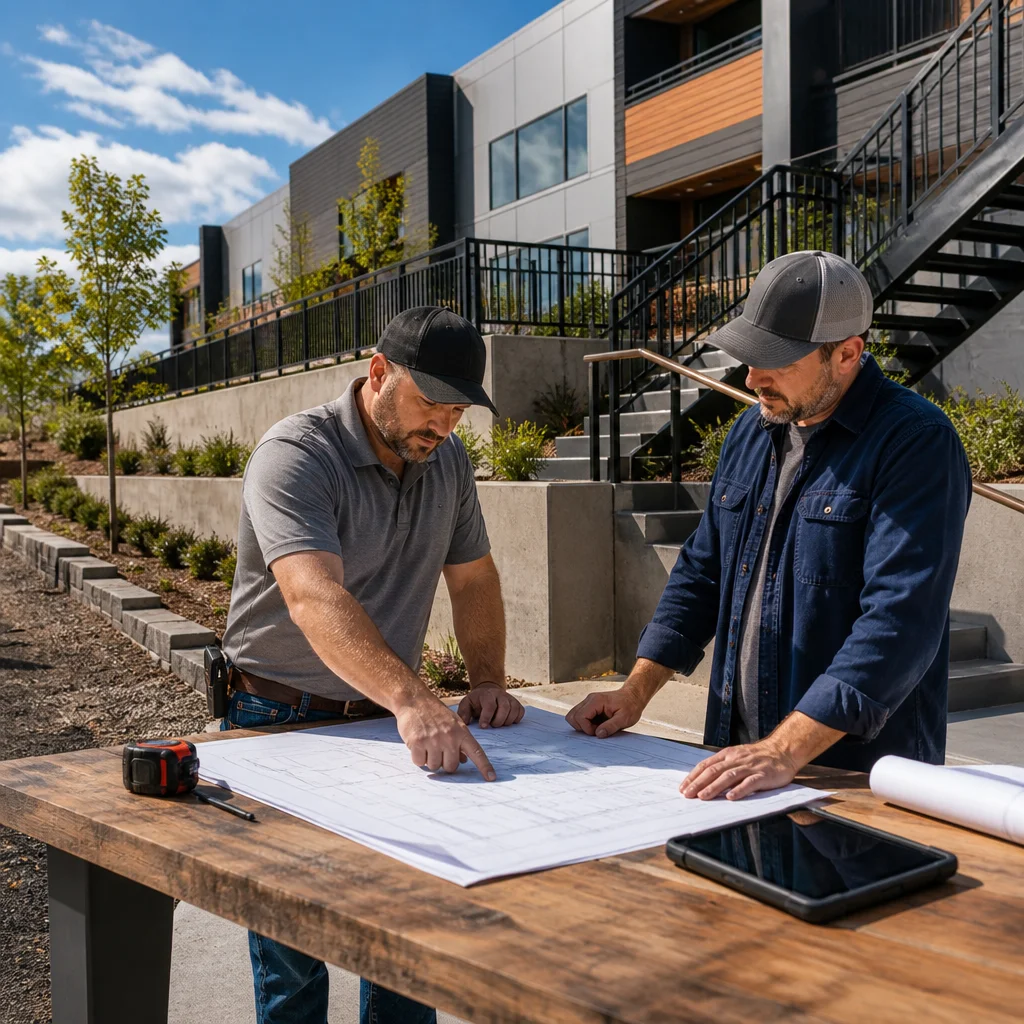
Our inspection and assessment service evaluates your entire fence, documents conditions with photos, and provides a detailed report with repair recommendations and priority rankings. This gives you a clear picture of what needs attention and helps you budget effectively.
Our preventive maintenance program includes quarterly inspections, minor adjustments, fastener tightening, coating touch-ups, and drainage management. Regular maintenance prevents the small issues from becoming big problems.
For repairs, we handle everything from single-component fixes to comprehensive structural rebuilding. We specialize in weld repair and reinforcement, addressing corrosion, replacing damaged sections, realigning misaligned components, and restoring gate function. Our approach emphasizes lasting solutions rather than temporary fixes.
When replacement makes sense, we provide design consultation, material selection guidance, and professional installation. Whether you need standard styles or custom designs, we handle the work with precision and attention to detail.
We also offer specialty services like custom gate fabrication, reinforcement of high-stress areas, and integration of security features. Our team brings the same craftsmanship to fence work that we bring to all our metal fabrication projects.
Contact us today for a free professional assessment of your commercial metal fence. We'll identify current condition, recommend priorities, and provide estimates for any needed work. Our goal is helping you maintain a secure, attractive fence that protects your property for years to come.
Frequently Asked Questions (FAQ)
What maintenance schedule should we follow for our commercial metal fence in Denver?
We recommend conducting visual inspections seasonally, with particular attention during spring and fall when weather changes accelerate corrosion. For high-traffic areas or properties near moisture sources, we suggest quarterly inspections to catch rust development early and assess hardware tightness. We've found that proactive maintenance every three to four months prevents small issues from becoming expensive structural repairs.
How do we prevent rust on our metal fence before it becomes a problem?
We protect metal fences through proper coating application and regular cleaning, which removes debris and moisture that trap corrosive elements against the surface. High-quality paint systems or powder coatings create barriers against Denver's variable weather, and we recommend touch-ups annually or whenever you notice chips or scratches. We also ensure proper drainage around fence posts since standing water accelerates rust formation at ground level.
When should we repair our fence versus replacing it entirely?
We evaluate whether repairs make sense based on rust extent, structural soundness of posts and framework, and remaining lifespan potential. If rust is surface-level and the underlying metal remains structurally sound, we can reinforce and refinish sections cost-effectively. However, if rust penetrates deeply into posts or horizontal supports, or if repairs would exceed 50 percent of replacement costs, we typically recommend upgrading to a new fence that will serve your property reliably for decades.
Comments